 Bon Manzé
 Grass-Fed vs Grain-Fed Beef: which to choose?
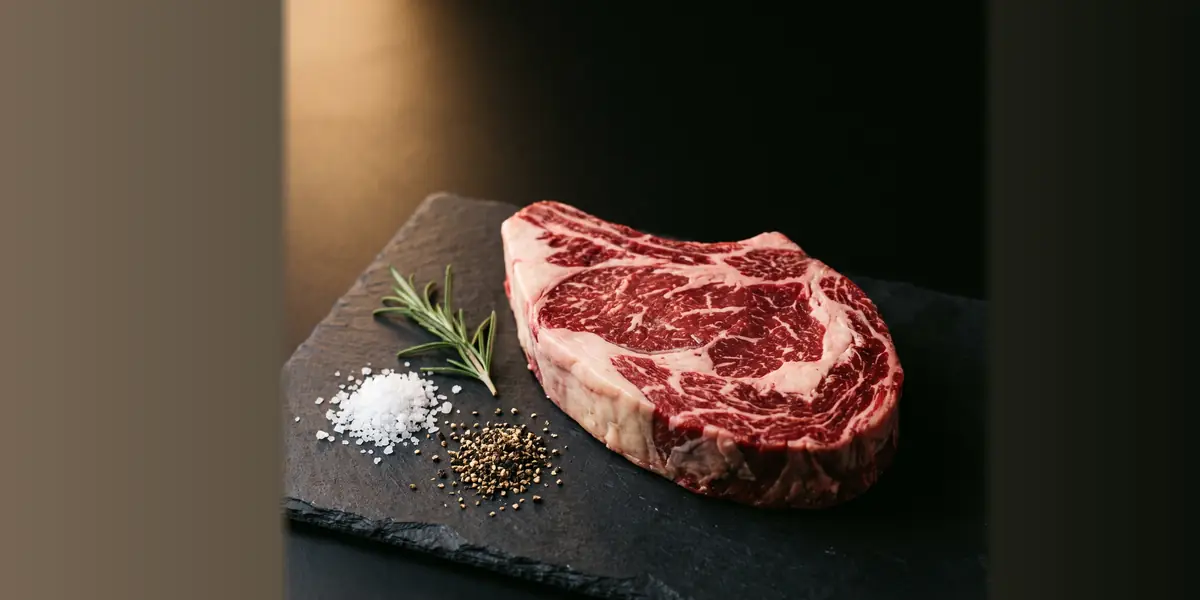
"Grass-fed" on one side, "grain-fed" on the other — and, to hear some of the talk, you're supposed to pick a side. The truth is simpler, and more reassuring: these are two schools, two pleasures, and neither is better than the other. It all comes down to the flavour you're after and the dish you're making.
This guide explains, without the jargon, what really sets the two apart — flavour, fat, marbling, nutrition — and why, at Bon Manzé Maurice, we've chosen to offer you both: Black Angus that's grass-fed, and Kobe/Wagyu that's grain-finished.
Two ways to raise beef
It all comes down to what the animal eats, especially in the final months of its life.
- Grass-fed. The animal spends its life at pasture, feeding on grass as it always has. More active, more athletic, it yields meat that's naturally leaner and cleaner in flavour.
- Grain-fed / grain-finished. The animal is given a ration of grain, often in the final stretch. That richer diet builds the intramuscular fat — the famous marbling — and softens the meat. It's the principle taken to its peak by Wagyu and Kobe.
Neither is "better" in absolute terms. They're two directions of taste: the clean flavour of the pasture on one side, the melt of the marbling on the other.
Grass-fed: flavour & nutrition
This is the choice for those who love the true taste of beef. What grass actually changes:
- A cleaner flavour. A pronounced, "beefy", straight-talking taste — exactly what you want from a proper grill.
- Leaner meat. The animal is more athletic: less surplus fat, more lean fibre. With a breed like Angus, tenderness still comes through (more on that below).
- An interesting nutritional profile. Grass-fed meats are reputed to be richer in omega-3 and certain micronutrients than grain-finished beef.
- Yellower fat — and that's a good sign. Grass is rich in beta-carotene, which gently tints the fat. Far from a flaw, that colour is the signature of genuine pasture-raising.
Grain-fed: marbling & melt
This is the choice for rich, melting pleasure — the one for special tastings. What grain brings:
- More marbling. Fine threads of fat woven through the muscle, which melt as it cooks and feed the meat from within.
- Softer fat. A delicately melting fat that coats the palate — a rounder, almost buttery mouthfeel.
- Generous tenderness. The marbling makes the meat forgiving: a cut that's kind on the heat and melts under the tooth.
- The ultimate example: Wagyu and Kobe. These exceptional cattle are grain-finished — it's that diet which builds their legendary marbling and unique melt.
Curious how far that marbling goes? Our Kobe beef in Mauritius guide covers this extraordinary meat in detail.
Which one for which dish?
The right question isn't "which is better?" but "what am I cooking tonight?".
- Choose grass-fed for an honest grill, a seared steak where the beef flavour should lead, a pan-fried flank, a tartare with character. Our grass-fed Black Angus is made for it.
- Choose grain-fed for a tasting, a special occasion, when you're after the melt and the richness in small, dissolving bites. Kobe/Wagyu excels here.
At Bon Manzé Maurice: both worlds
We didn't want to choose for you. At Bon Manzé Maurice, you'll find the best of each school:
- Argentinian Black Angus, grass-fed — clean flavour, tender meat. From Rs 2,650/kg (indicative, VAT included, confirmed by weight).
- Grain-finished Kobe / Wagyu — exceptional marbling, incomparable melt.
- All our meat is given to us as halal by our supplier partner.
- Vacuum-sealed, cold chain maintained, right to your door, anywhere in Mauritius.
- Preparation requests to confirm and a real human on WhatsApp, for quantity as much as for cooking.
Free delivery from Rs 1,500 · pay on delivery (cash or Juice MCB) · nothing is paid online.
Want to go further? Browse all our guides — breeds, cuts, cooking and delivery in Mauritius.
Related guide: Beef cuts for grilling and slow cooking.
Grass or grain: we cover both
Browse the menu and prices, or just tell us the pleasure you're after — we’ll reply on WhatsApp.
Frequently asked questions
Grass-fed or grain-fed: which is better?
Neither is inherently better. Grass-fed gives a cleaner, more pronounced beefy flavour and leaner meat; grain-fed gives more marbling and softer, meltier fat. It all comes down to the pleasure you're after and the dish you're making.
What's the difference in taste between grass-fed and grain-fed?
Grass-fed beef has a bolder, cleaner, more "beefy" flavour. Grain-finished beef is milder and rounder, with fat that melts in the mouth thanks to the marbling. Two different pleasures — neither one better than the other.
Why is the fat on grass-fed beef more yellow?
It's completely natural: grass is rich in beta-carotene, which gently tints the fat yellow. Far from a flaw, that colour is an authentic sign of genuine pasture-raising.
Are Wagyu and Kobe grain-fed?
Yes. Wagyu and Kobe are "grain-finished": fed on grain in the final stage, which develops their exceptional marbling and that unique melt-in-the-mouth texture.
Is your beef halal, and how is it delivered in Mauritius?
All our meat is given to us as halal by our supplier partner. It is delivered vacuum-sealed, cold chain maintained, anywhere in Mauritius.