 Bon Manzé
Bluefin Tuna in Mauritius: the black diamond of the sea
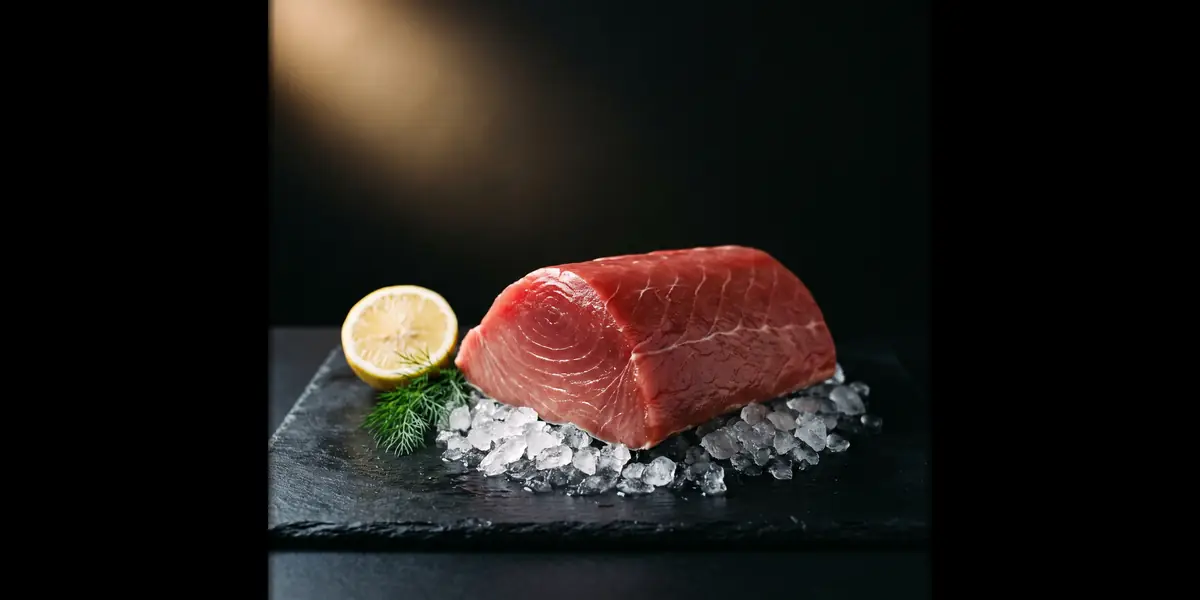
Aomori bluefin tuna · Japan appears in the current catalogue. This guide explains bluefin cuts, cooking options and the batch information to check before ordering.
Use the stated Aomori, Japan origin as a starting point. Ask for the exact product reference, cut, condition, storage instructions and intended culinary use; the regional name alone does not establish a particular port or fishing method.
Read the origin stated for the batch
The catalogue identifies this reference as Aomori bluefin tuna from Japan. Confirm the supplier reference and batch documents if you need more specific information about the catch area or port.
Texture and fat distribution vary with the species, cut, season and individual fish. Check which cut is offered and use the visible condition and batch information instead of assuming a fixed level of marbling from the origin alone.
The marbling: the magic of toro
Just as a great cut of beef is read by its marbling, bluefin tuna is read by its own: those fine, pale threads of fat running through the flesh. In Japan, three main parts are distinguished:
- Akami — the leaner red flesh, with a clean, straightforward taste.
- Chū-toro — the medium marbling, balanced between the richness of the fat and the freshness of the flesh.
- Ō-toro — the most marbled part, taken from towards the belly: it is the one that literally melts in the mouth, so fine is the fat.
Akami, chū-toro and ō-toro describe different parts and levels of fat. Confirm the actual cut offered; a regional product name alone does not identify it as toro.
How to prepare it: seared, tataki, grilled
Bluefin tuna of this quality asks for very little. The key is never to overcook it: the flesh dries out quickly, and the right touch stays short and lively. Three preparations show it at its best:
- Seared (mi-cuit). A hot pan or griddle, a splash of oil, and you sear the steak for a minute a side: the outside colours and firms up, while the centre stays warm and melting.
- As tataki. Sear each face of the piece briskly, then slice it: the surface is cooked, the centre just warm. A dash of soy sauce, a little ginger, a few sesame seeds — the classic pairing.
- Grilled. Over coals or on a grill, a few minutes turning it just once. Keep the centre just pink to hold on to all the tenderness.
In every case, salt at the end of cooking and serve without waiting. Bluefin tuna is always eaten cooked or seared through: for safety, this guide does not recommend eating it raw or as sashimi.
Our bluefin tuna in Mauritius
Bringing Aomori bluefin tuna all the way to the island, done properly, comes down to careful logistics. Here's what Bon Manzé Maurice offers:
- Aomori bluefin tuna · Japan — Aomori · Japan.
- Cut, condition and fat level to confirm for the available piece.
- Products are delivered fresh. Availability and the delivery window are confirmed on WhatsApp according to arrivals and orders; no fixed cutoff or next-day delivery is guaranteed. Delivered fresh describes the condition at delivery, not a guarantee that the product has never been frozen. Confirm the batch history and follow its storage instructions before deciding whether to freeze it.
- Current catalogue reference: Rs 3,300/kg. Availability, weight and final total are confirmed before approval.
- A real person on WhatsApp, for quantity as much as for preparation.
Minimum order: Rs 1,500, with free delivery anywhere in Mauritius.
Bluefin tuna sits naturally within a fine selection of fresh fish in Mauritius — and, to vary the pleasure, our wild salmon guide is waiting for you.
Fancy tasting the black diamond of the sea?
Browse the menu and prices, or simply ask us whether a batch of Aomori bluefin tuna is on the way — we reply on WhatsApp.
Frequently asked questions
Where does your bluefin tuna come from, and how is it delivered in Mauritius?
The catalogue states Aomori, Japan. Ask for the supplier reference and batch information if you need the exact catch area, port, condition or storage history. Availability and the delivery window are confirmed before approval.
Why is Aomori bluefin tuna called "the black diamond of the sea"?
“Black diamond” is a promotional nickname used for premium bluefin. It does not establish the exact origin, cut, grade or quality of a particular batch; verify those details separately.
What is toro?
Toro refers to the most marbled parts of bluefin tuna, taken from towards the belly. There is akami (the leaner red flesh), chū-toro (medium marbling) and ō-toro (the most marbled and the most melting). It is this fine fat that makes Aomori bluefin so renowned.
How much does bluefin tuna cost in Mauritius?
As a guide (VAT included, subject to availability): Rs 3,300/kg. The exact amount is always confirmed by weight, before delivery.
How do you prepare bluefin tuna — is it eaten raw?
This page does not establish that a batch is suitable for raw consumption. Confirm the intended use and storage history, follow the batch instructions and use a cooking method appropriate to the cut.